 Illustrative photo
Short answer: yes. If your business, school or building uses gas for heating or hot water, the law expects the boilers, pipework and flues to be kept safe, and regular servicing by a qualified engineer is how you show it. Here is what that means in practice.
Which law applies to your building
For most commercial buildings, including shops, restaurants, schools, hospitals and offices, gas work is covered by the Gas Safety (Installation and Use) Regulations 1998. Factories, construction site huts and a few other workplaces fall under the general duties of the Health and Safety at Work etc. Act 1974 instead. Either way, the Health and Safety Executive (HSE) is clear about the basics: gas pipework, appliances and flues must be regularly maintained, and rooms with gas appliances must be properly ventilated.
Who is allowed to do the work
In shops, restaurants, schools and hospitals, work on gas fittings must be done by a Gas Safe registered engineer who is qualified for that type of work. It is illegal for anyone else to do it, and HSE says it is the building owner's or employer's job to check. Every registered engineer carries a Gas Safe ID card listing the work they are qualified for, so look for commercial qualifications on the card, not just domestic ones. You can also check online at the Gas Safe Register or by phoning 0800 408 5500.
How often should a commercial boiler be serviced?
HSE guidance is to service gas appliances and flues in line with the manufacturer's instructions. In practice that usually means at least once a year, and plant that runs hard (care homes, hotels, leisure centres) may need more frequent visits. Where the law does not set a fixed date, an annual service with a written record is the standard way to show you have met your duty.
What if you are a commercial landlord?
If you let a building where people live or sleep, such as flats above shops or staff accommodation, the landlord rules apply: an annual gas safety check within 12 months of a new appliance being fitted and every year after, with records kept. For other let buildings, check your lease. It should say clearly whether you or the tenant is responsible for maintaining each boiler and keeping the records, because the duty to keep gas equipment safe still sits with someone.
What a proper service covers
HSE describes effective maintenance as, at minimum:
- examining the condition and safe working of each appliance, the installation pipework, the ventilation and the flue
- carrying out performance tests, such as combustion analysis
- putting right anything that is found
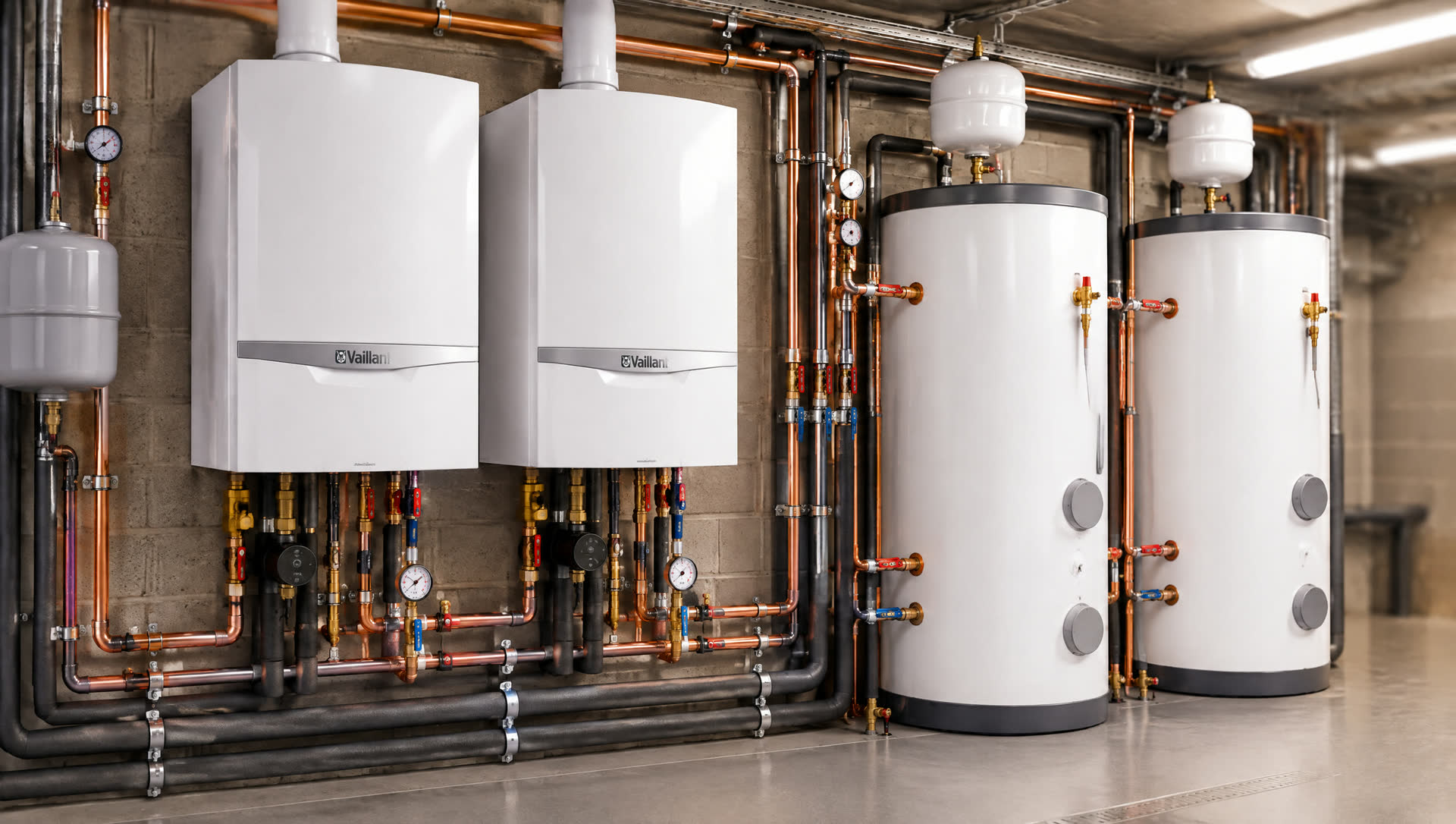
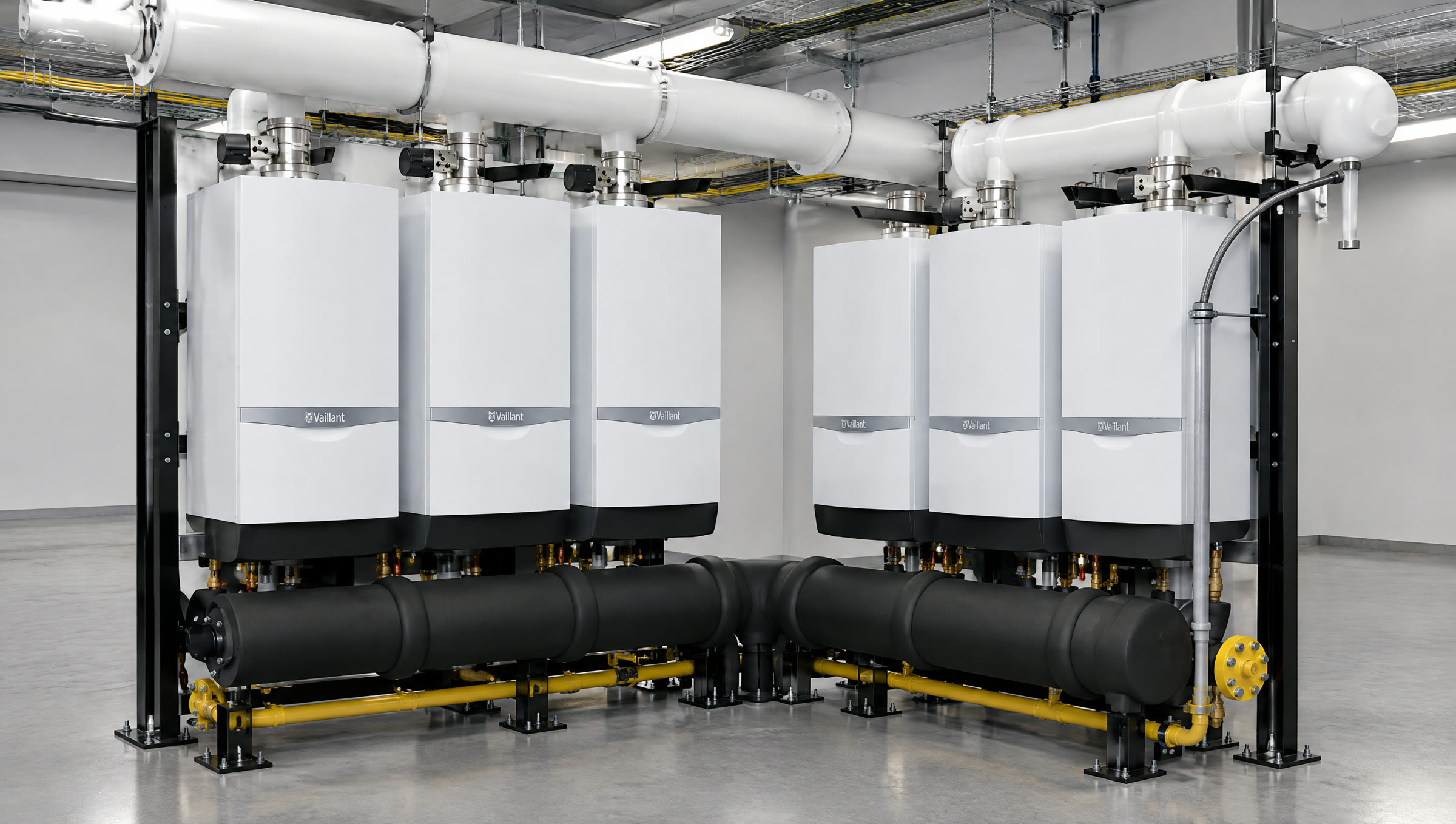
On commercial plant there is more to check. HSE also highlights flame-failure protection, gas supplies interlocked with ventilation, and safe procedures for purging, lighting up and shutting down plant. In a plant room that means burners, controls, pressurisation units, pumps and safety interlocks, not just the boilers themselves.
What happens when maintenance slips
HSE gives a real example. Twenty-five pupils and two staff at a primary school were evacuated after carbon monoxide from a poorly maintained boiler leaked into the classroom above it. The school did have a maintenance system, but poor practices had crept in unnoticed. The employer was fined £10,000 and ordered to pay £6,830 in costs. The fine was the smaller problem; the consequences could have been far worse.
A simple checklist for your site
- Do you know when each boiler was last serviced, and by whom?
- Was the engineer Gas Safe registered for commercial work?
- Do you have the written report, and were the faults it listed fixed?
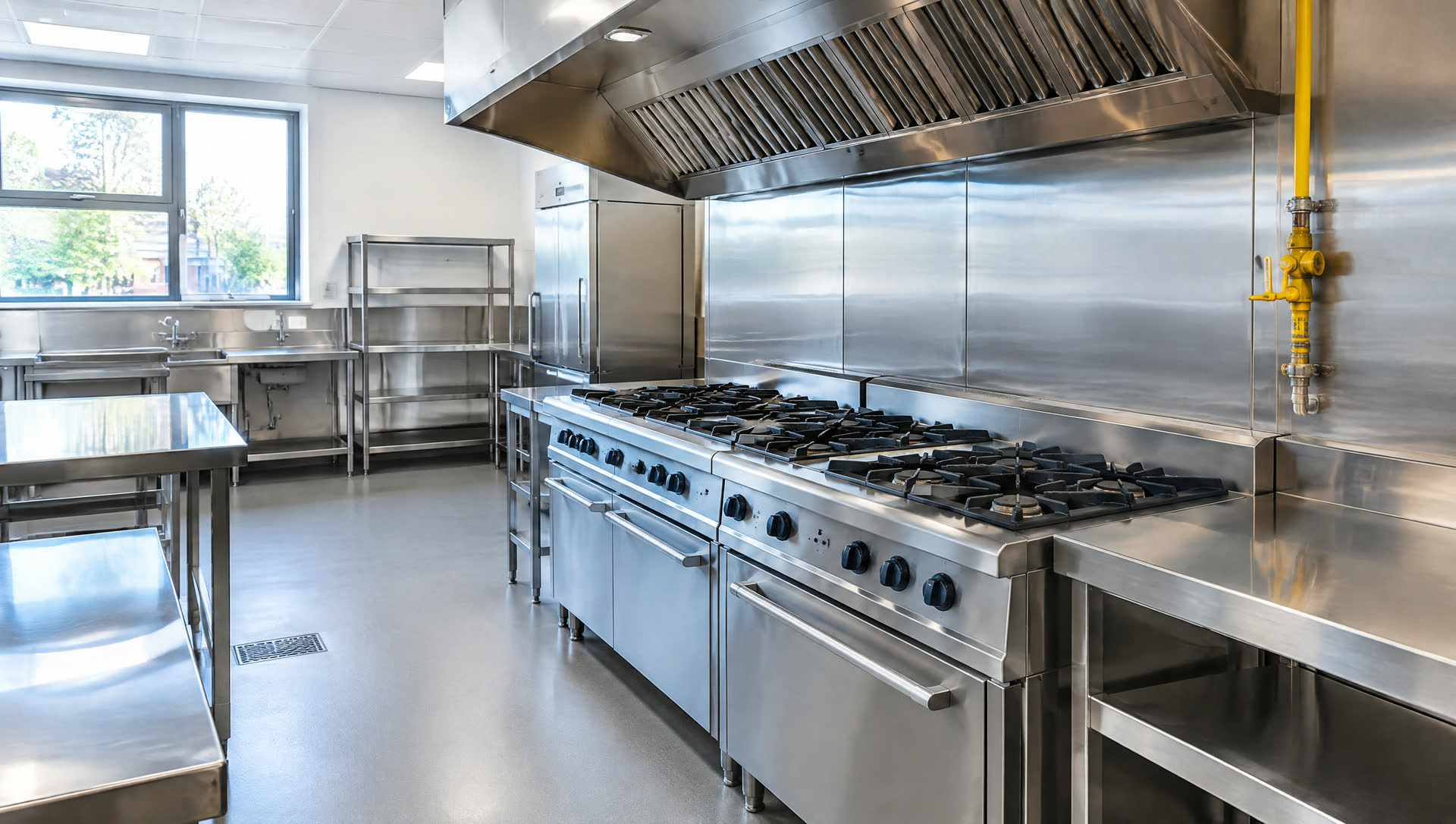
- If you have a commercial kitchen, has the catering equipment been inspected too?
- Is the next service booked before the heating season starts?
If any answer is "not sure", a planned maintenance plan takes the guesswork out: visits are booked in advance, every visit produces a written report, and your records are ready when an insurer, auditor or inspector asks for them.